
Ordering Rare Items

Photo: Hanan Cohen
Photo: Hanan Cohen

What is a Rare Item?

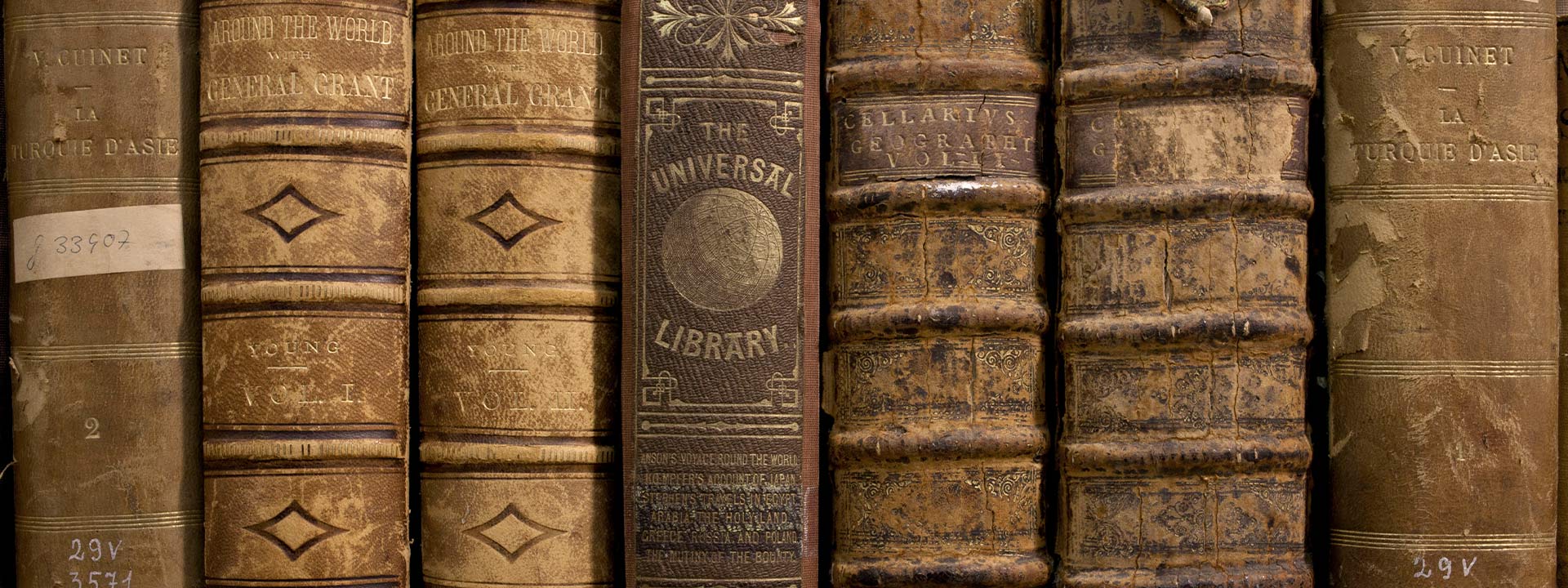
The National Library of Israel preserves collections of rare items that include valuable books of exceptional importance to the heritage of the Jewish people and the State of Israel. Among them are significant manuscripts, books printed centuries ago, and publications that have survived in only a few copies in Israel or elsewhere in the world.

Please note: The Library also maintains archival collections that require separate authorization for access. Information about these collections can be found here.

Guidelines for Handling Rare Materials

  • Limit physical contact with the item as much as possible.
  • Hands must be clean and dry before touching any item.
  • Do not bring food or drinks near the item, including sealed water bottles.
  • Avoid tearing, folding, or creasing the paper.
  • Do not attach bookmarks, clips, or any other objects to the material.
  • Do not erase any markings or make notes on the original item.
  • Do not touch or rub ink or illustrations. Turn pages gently by their edges.
  • Notes should be written only on a separate sheet of paper placed on the table, using pencil only.
  • Keep pens and markers away from the material.
  • Always use a book support, which will be provided by the librarian.
  • Open the book only at its natural angle, without applying pressure.
  • To hold a page open, use only the weights provided—no other objects. (Additional weights may be requested if needed.)
  • When unfolding items such as maps or illustrations, refold them exactly as they were.
  • Do not leave the item unattended.

FAQ

Academic staff
Required documentation: A valid university or college faculty card.
Authorization period: One year.

Graduate students at academic institutions in Israel or abroad
Required documentation: A valid certificate of enrollment in a master’s or doctoral program.
Authorization period: One year.

Undergraduate (B.A.) students at academic institutions in Israel
Required documentation: A valid student card or certificate of enrollment, and a letter from the department office confirming the need to consult rare materials (students must ensure that their advisor submits the necessary approval to the department).
Authorization period: Six months.

Undergraduate students at academic institutions abroad
Required documentation: A valid student card from an academic institution abroad.
Authorization period: Six months.

Independent researchers or researchers affiliated with non-academic institutions
Required documentation: One of the following – a research description including references to publications; recommendations from academic researchers; or a letter of confirmation from the administration of a non-academic research institution.
Authorization period: Six months.

Independent learners and the general public
(including students and researchers who do not have the documentation required for long-term authorization)
Required information: An explanation of the need to access the rare item.
Authorization period: One week.

1.    Register on the National Library of Israel website.
2.    Complete the request form to access a rare item. Please attach the required documentation or information, as outlined above.

Please note: The Library reserves the right to verify the details of each request and to refer it for review by the Library’s security officer.

Rare items can be requested only after authorization has been granted, according to the process described above. It is recommended to place your request at least one day before your visit to the Library.

1.    Locate the item in the Library catalog.
2.    Click “Location & Availability.”
3.    In the order window that opens, select the copy listed under “Rare Items” and click the order button.
4.    Library staff will review the item’s condition and availability. In some cases, the condition of a rare item may not allow it to be made available to the public.
5.    Once you receive confirmation that the item is available, it will be held under your name in the Rare Items storage area for one week.
6.    If you find a rare item that cannot be ordered through the catalog, you may contact the Special Collections Reading Hall at [email protected]. The librarians will do their best to assist.

Please note: Librarians retain discretion regarding access to the original copy of a rare item. To preserve these materials as fully as possible, users will first be offered access to a photographed or digital copy, if one exists.

Where can a rare item be viewed?
Rare items are available for consultation in the Special Collections Reading Hall, located on level -3.

Entry to the reading hall is subject to a security check and is permitted only for the purpose of viewing an item ordered in advance or for a scheduled expert consultation.

When you arrive at the reading hall desk, the librarians will ensure that the item reserved under your name is brought from the Rare Items storage area.

Sunday–Thursday, 9 am–3 pm
(It is highly recommended to arrive before 2 pm.)

Special Collections Reading Hall opening hours: 
Sunday–Thursday, 9 am–3:45 pm

Please note: After viewing, the item will be returned to the Rare Items storage area. If you wish to continue working with it over a longer period, you will need to request it again each day.

Handling rare items requires particular care. Please read the handling guidelines carefully and follow them as instructed. Some items are photographed before being made available, and readers will be held responsible for any damage resulting from failure to comply with these guidelines.

• Rare items may not be photocopy using regular photocopy machines. Dedicated photocopy equipment is available in the reading hall.
• Photography with a digital camera is permitted with the librarian’s approval and under their supervision, to ensure that no harm is caused to the item.
• Professional scanning services can be requested through the Library’s Document Delivery Service. This service carries a fee, according to the Library’s price list.

Rare Items Request Form